Straight from the Horse's Heart
Newsweek Steps Into Pile of Wild Horse Pooh
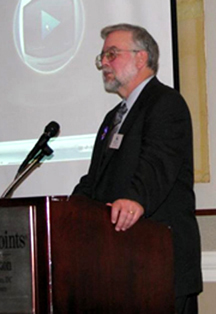
John Holland ~ President of the Equine Welfare Alliance
Enraged equestrians, from around the world, broadcast their disbelief and outrage on social networks while John Holland, President of the Equine Welfare Alliance, put the global response into perspective.
Inserted, below, is said Newsweek article with Holland’s response immediately following. SFTHH recommends that you click HERE to publicly respond to Newsweek’s poor journalistic standards and protest the bloody and predatory business of horse slaughter that the rogue representative from Wyoming endorses.
Newsweek:
“The wild horse is a symbol of the frontier way of life. But in recent years it’s been recast in a less noble role—as a public nuisance. The Bureau of Land Management has tried culling herds through roundups, auctions, and federal corrals. But the feral ranks have nearly tripled, to 69,000 since 1971, and more than half of those horses are roaming free in 10 Western states. Factor in the thousands of horses turned loose during the recession, and the result, the government contends, is a population that’s overwhelmed its habitat.
Wyoming thinks it has a solution. In 2007 Congress blocked the inspection of horse meat, which effectively ended interstate sales and closed the last U.S. abattoir. But selling horse meat intrastate remains legal, and state Rep. Sue Wallis wants to use that fact to license Wyoming’s first slaughterhouse to help owners who can’t afford to care for their animals. While horse advocates call slaughter inhumane, Wallis anticipates enough local demand—from, among others, pet-food makers—to sustain a factory as soon as next year. Besides, she says, for a horse on overgrazed land, slaughter beats starvation.”
John Holland:
“You have been duped by Slaughter House Sue Wallis. She is a shameless opportunist who plays the horse slaughter issue to get donations.
Sue has been claiming to be starting a slaughter house under the corporate name Unified Equine LLC since last Winter. But when she announced it and opened a web page talking about what a great investment it would be back last spring, we found there was no such corporation. In fact, it still did not exist when we rechecked months later.
Hyping an investment outside of an offering memorandum is a serious securities violation in most states to say nothing of hyping investment in a non-existent corporation.
The plant you describe is impossible. Do the math!
And the idea that such a slaughter house could be a going concern based on selling horse meat inside Wyoming is absurd. First, Americans don’t eat horse meat, and secondly the entire population of Wyoming is 544,270. That is 3% the size of New York City!
The smallest of the now defunct US slaughter plants (Dallas Crown) killed about 20,000 horses a year. An average horse produces about 500 pounds of meat. That means the plant would produce about 10 million pounds of meat a year to be viable. Sue would have to sell 18 pounds of horse meat to every man woman and child in Wyoming every year to keep a plant profitable. That is of course absolutely impossible in a country where the meat is shunned.
So what investor would put money into that sort of a proposition? Next time, do a little tiny bit of research before you repeat propaganda and soil the News Week brand by being duped.
Nobody could make a living killing horses to sell their meat within Wyoming! There is absolutely no market for horse meat in the US.”


